
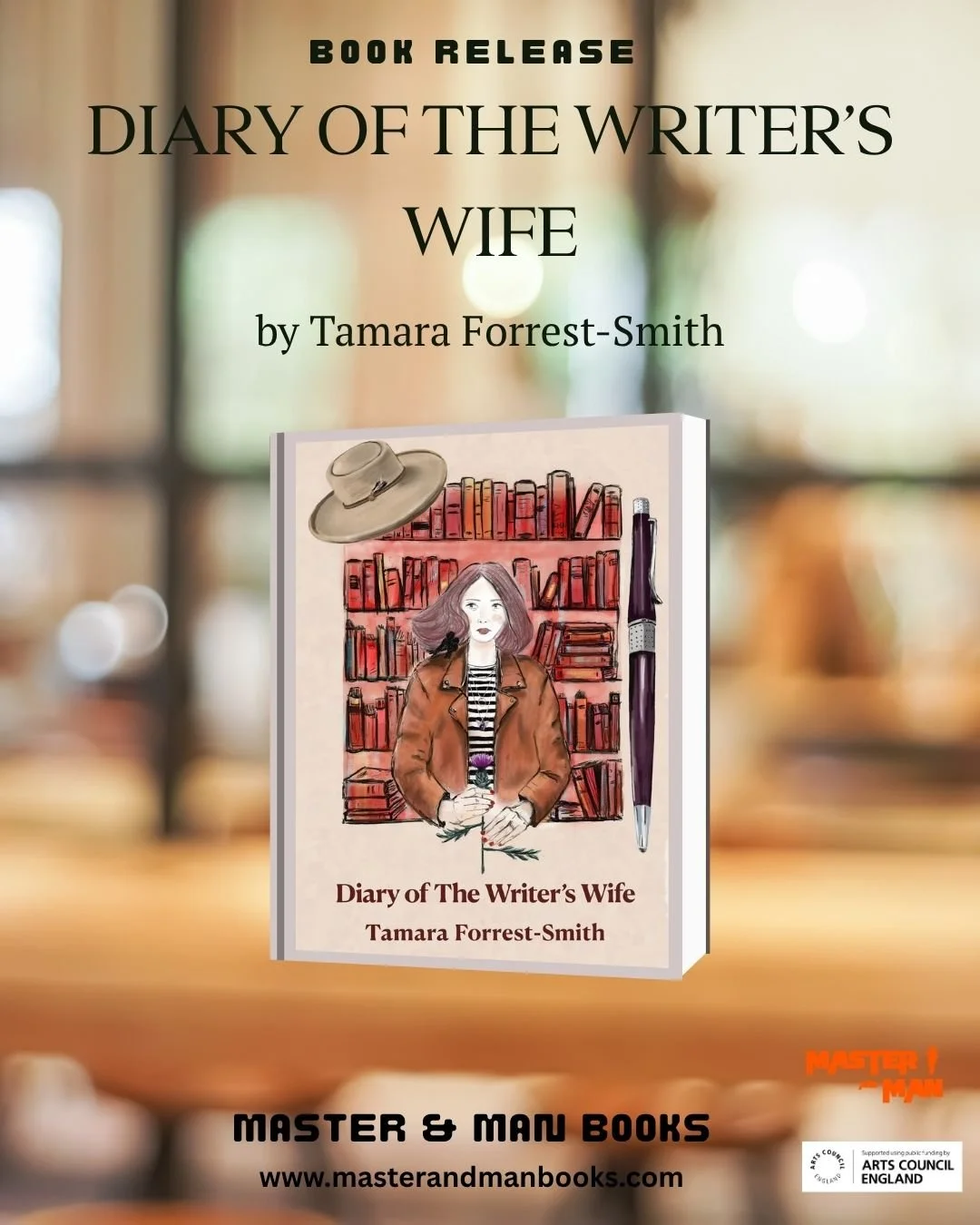
 Image 1 of 1
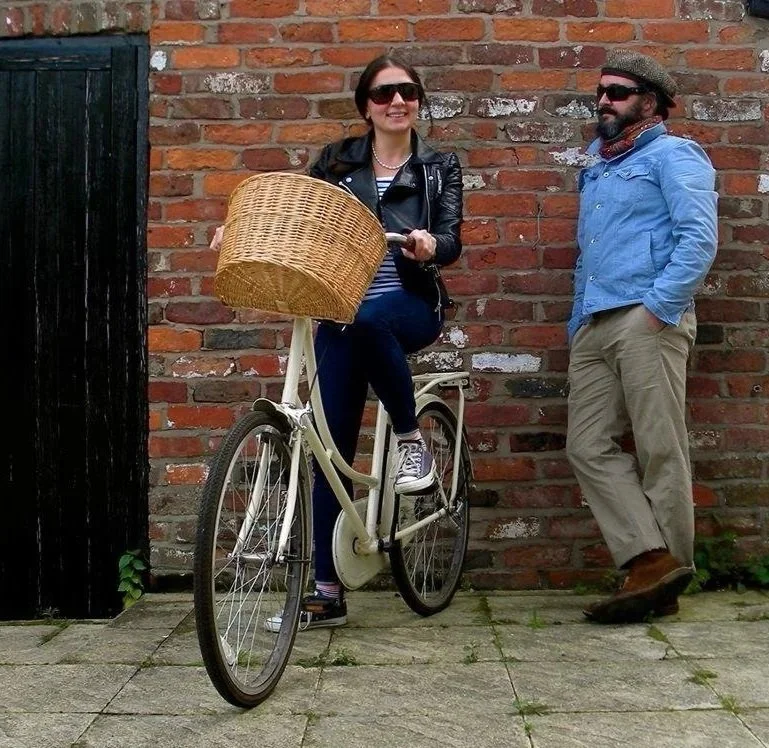
Introduction from the author
Fresh from bankruptcy, Alan radiated rich.
Smile in the corner of his lips. Gaze through slightly raised eyebrows.
‘Are you going to give me your number?’
Sleeves rolled up, shirt half open, arms folded, he leaned back.
‘Why, what do you want from me?’
After dinner, I unfriended him. But by then he had my number.
‘Put the kettle on. I’m coming up.’
‘Where do you think you are coming? You don’t even know where I live.’
‘Ha ha, did you unfriend me?’
‘Is there a point to being friends?’
‘I just want my cup of tea.’
‘London is open. I’m sure you can find a cup of tea. I’m going to bed now. Bye.’
Skype lit up. It was late at night in London, early morning in California. My fingers tapped the keyboard.
‘I was just thinking about you. Can I ask you something?’
‘Are we still friends on Facebook? I’ll call you, but I only have five minutes,’ he typed back.
Twenty minutes later, after he'd finished showing me around the writer's hut he was renting above Santa Cruz, he finally said, ‘What is it that you wanted to ask, then?’
Two years later, in a tapas bar in central Madrid, he was telling my friend how he'd gone to the cinema alone that night and kept checking his phone.
‘I was wondering what she was thinking and if she was going to text,’ he said, laughing.
‘I’m such a bad dater. I couldn’t even say I fancied her,’ he added, still laughing and chatting with friends.
‘I didn’t know you thought that,’ I told Alan as I linked my arm through his, walking back to our hotel in the middle of that chilly January night.
‘I was thinking lots of things.’
‘I was thinking, who would love me or want me at the age of 47? Bankrupt, divorced, homeless, spat at and judged,’ he added, pulling me close to his shoulder, smiling.
I grinned back. ‘Love you.’
Alan was not interested in riches, but he knew how to live well. The abundance of duck feather pillows, hats in all colours with feathers to one side, quirky and weird finds were all part of the bohemian luxury.
‘How many pairs of the same Converse do you have?’ I asked, glancing at the same style in red, purple and green.
‘Why? I like them in different colours.’
During a trip to Tolstoy’s Moscow residence, which I had arranged as a gift for Alan, he was moved to tears.
We walked through Tolstoy's gardens, past the conifers, talking about writing, writers and the life of a writer.
‘Well, he had to stop writing sometimes to take care of the business.’
‘They all did. It is not unique to you.’
‘Don’t get frustrated.’ I continued, ‘It took Tolstoy seven years to write War and Peace and Pasternak twenty to finish writing Doctor Zhivago.’
‘I suppose so.’
‘It’s interesting how his characters were based on people he knew. Well, as a writer, you are an observer, and it's easier to write what you know,’ Alan continued.
‘You need to bring in additional fictional characters and let your philosophical writing come through them rather than pure observational writing. Think about the expanded versions of your short stories.’
‘Hmm, OK.’
Sartorial. Belstaff jacket, orange scarf around his neck, denim and one of his many beetle crushers, we walked down to Carluccio's, around the corner on Ashley Road, opposite Hale train station, the urban Cheshire village where we'd settled. It was the year Alan had declared he was no longer going to make his own breakfast, having done so all his life. We took our usual seats at the breakfast counter, gazing out onto the narrow street, permanently jam-packed with 4x4s and what sounded like racing cars. Parking wardens' heaven.
‘Did you read the opening I sent?’
Picking up the almond flakes from the croissant, I replied, ‘I did, and I think you should write the second opening. From a different angle.’
‘You have not said if you liked it or not?’
‘I loved it, but you can try to make Jacob appear less frantic.’
‘But he is going mad.’
‘Maybe he is sitting there numb? Just try it. This is not going to be a blog post you can write in a hurry. You want to get the opening right. Also, as a woman, Sarah would not quite have said that.’
‘Let me think about it.’ He sipped his extra-strong cappuccino and looked at me as I locked my eyes with his.
Being a city girl, spending a small fortune on coffee before the day had even begun had been my unashamed habit for about a decade before I met Alan. Alan, on the other hand, having grown up in the countryside, didn't quite see the point. That was until we met. Since then, our mornings had started much the same way. A slow wake-up in the local café. We said hi to everyone and spoke to no one. Sipped our morning coffee and watched the world wake up with every sip.
‘Be careful opening it. You might damage what's inside.’
I handed Alan the scissors as I pushed a large rectangular box into the living room. The house was in chaos, moving boxes everywhere. He carefully opened the corners of the slightly battered cardboard box, revealing one hundred second-hand Penguin Classics I'd bought for his birthday. Slowly, he spread the books across the floor. His eyes landed on Tolstoy's short stories. With tears in his eyes, he picked them up one at a time, then asked me to photograph him lying among the books.
‘What do you think of the name Master And Man?’
‘I love it. You can brand it up strong. But I think the logo should have a connection with Alan Forrest Smith,’ I replied to Alan's email.
Another email popped up on my screen.
‘What do you think of this now?’
When something felt important, I'd walk into Alan's office from mine.
‘Oh yes, the shadow figure works really well. It now ties back to the Alan Forrest Smith brand.’
‘What colours were you thinking?’ I added.
For all his private nature, Alan loved to show off. He knew he was good and enjoyed it when others noticed that too. He branded everything he did. Nothing was accidental; every word he put on paper served a purpose, as did the clothes he wore.
The day before we flew back home to England from Tbilisi, we went to the theatre. People are angry in Georgia. That anger is naturally expressed through powerful artistic scenes and strong storytelling.
‘These girls are annoying, to be honest,’ Alan said, settling into his chair glancing at the lit-up screens as the performance was about to start.
I shrugged, smiling. ‘It is Georgia.’
‘It's very clever how they've done the contrast between the characters and their dialogue,’ Alan said, holding my hand as we stepped outside the theatre and onto the wide, open Rustaveli Avenue.
‘Have you realised it's based on the black-and-white film I sent you?’
We were now walking down the sloping street past the Opera House, heading home, discussing the power of presence in performance art, photography and imagery.
Theatre, second-hand books, gallery visits and coffee shops all fed the writing ecosystem, which in turn fuelled so much of our lives.
‘Keep your tartan gown and slippers on. Imagine you're reading this book to a child the night before Christmas.’
The home umbrella lighting kit was up. The Nordic-style armchair, with thick reindeer fur thrown over it, stood in front of the elaborately decorated Christmas tree, ready for a short book reading.
The Little Angel and the Last Christmas had just been delivered; the book contained five interconnected Christmas stories, each accompanied by illustrations we'd spent ages working on to get the balance between the cherubs and their wings just right. A short Christmas story with a big message – would Thomas, the little angel, be able to save Christmas?
Alan began reading.
‘Upstairs in the small bedroom of an old house, a father named James had finished telling stories of Christmas Joy to his child…’
‘Stop.’ I waved.
‘I don't think it works.’
‘You're right, actually.’ Alan flipped through the thin book he was reading from.
‘Start from the Heaven scene.’
‘OK, let me try again.’
Scottish twang that never quite left him.
‘A long time ago, God decided that due to a lack of good, giving, and sharing the true spirit of Christmas in mankind, they no longer deserved the gift of Christmas and all good things related to Christmas.’
I gave Alan a thumbs-up from behind the camera as he continued reading from Chapter 2.
‘That newsletter you sent out brought tears to my eyes.’ Alan had come upstairs from his office into mine to tell me.
‘I did not know you felt so strongly about it,’ he added.
‘Thanks, baby. I guess I am ready for a bit of a change,’ I replied.
I just didn't quite realise the change that was heading my way.
‘I’ve been thinking, I want you to write more. I’ve been actually thinking I need you to write.’
I was breastfeeding our second baby, and we'd just moved into a new home to accommodate our growing family.
‘What, now?’ I gasped, looking up.
….
‘What is it, darling?’
Gazing through the window, Alan turned his head back to me.
‘I see myself winning that award.’
A pause.
We will get through this.
He will pick up where he left off.
This is just a break.
He will finish Jacob.
He will film The Little Angel and the Last Christmas.
This is a good premonition.
‘Of course, darling.’
‘I promise.’
‘I promise our children will know who their daddy truly is.’
‘I promise I will not let your ink dry.’
‘I will not let it dry.’
‘I love you, darling.’
‘I always will.’
Through the agony of indescribable emotions, I closed Alan’s eyes for the final time.
My Diary of the Writer’s Wife begins here.
Tamara Forrest-Smith
Pre-order now, exclusively through our website. Orders are expected to be dispatched in December, in time for Christmas.